As a therapist working with women who have experienced childhood sexual abuse, neglect, and childhood emotional abuse, I often hear them question the reality of their past and how these early experiences shape their lives as adults. Many of my clients describe growing up in environments where love felt conditional, emotions were dismissed, or affection was given and taken away unpredictably. Some remember being criticised, manipulated, blamed, or ignored—but hesitate to call it abuse.
This hesitation makes sense. When emotional abuse happens in childhood, it doesn’t always look like abuse. It can be subtle, woven into everyday interactions, making it difficult to recognise—especially if it was the only kind of parenting you knew.
But the effects of childhood emotional abuse don’t disappear once you grow up. They often show up in adult relationships, self-esteem, and emotional well-being.
Why Emotional Abuse Can Be Hard to Recognise
If you were raised in a household where your emotions were ignored, belittled, or manipulated, it may feel normal to be treated that way as an adult. You might minimise hurtful experiences, telling yourself, “It wasn’t that bad.” You might blame yourself, thinking, “Maybe I was just too sensitive.” You may struggle to trust your own emotions, wondering if you’re overreacting.
As a child, you had no control over how you were treated. Your survival often depended on staying quiet, pleasing others, or ignoring your own needs. Over time, you may have learned to suppress your feelings because expressing them led to criticism or punishment. You may have started accepting blame because it was safer than arguing back. You may have become hyper-aware of the moods of others, always adjusting your behaviour to avoid conflict.
According to Herman (1992), trauma survivors often struggle to acknowledge mistreatment because their sense of self was shaped in an environment where emotional harm was normalised. When the people who were supposed to care for you were also the source of pain, it can create a deep conflict between attachment and self-protection. This can make it difficult to recognise emotional abuse, even as an adult.
How Childhood Emotional Abuse Shapes Adult Relationships
Emotional abuse from a parent can take many forms. Some people grew up in households where their feelings were ignored, or where affection was only given when they behaved in a certain way. Others experienced love that felt unpredictable—sometimes warm, sometimes cold, without any clear reason. Some were criticised or ridiculed when they expressed emotions, while others were made to feel guilty for having needs at all.
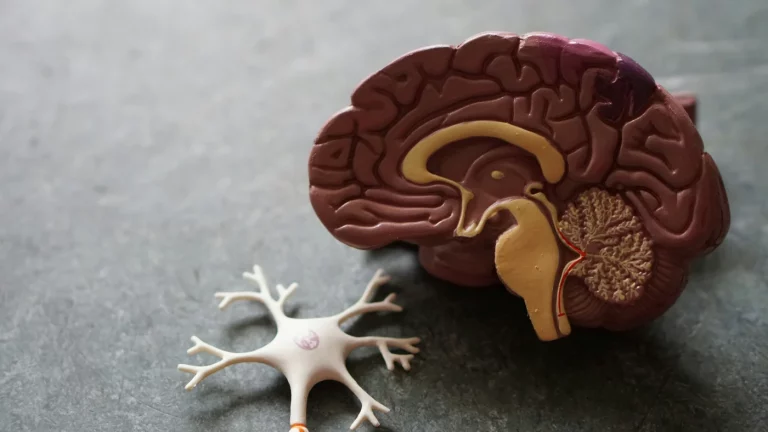
Neuroscience research shows that early experiences of emotional neglect or abuse shape the way the brain processes relationships later in life (Siegel, 2012). The attachment patterns formed in childhood can influence whether someone feels safe, anxious, or avoidant in adult relationships.
When you grow up in an environment like this, you may not realise how much it has shaped your adult relationships. You might find yourself constantly questioning your own feelings, wondering if you’re overreacting or expecting too much. You may feel drawn to people who are emotionally unavailable or controlling, simply because that dynamic feels familiar. You might overcompensate in relationships, always trying to prove your worth, or you may struggle with boundaries, feeling guilty whenever you say “no.”
It’s easy to look back and wonder if things were really that bad. Instead of asking, “Was it bad enough?” try asking, “How did it make me feel?” If you felt powerless, unheard, or like you had to constantly prove your worth, that’s enough. Your experience matters.
Healing from Childhood Emotional Abuse
Recovery isn’t just about understanding what happened to you—it’s about reshaping your relationship with yourself and the world around you.
One of the most challenging effects of childhood emotional abuse is a fragmented sense of self. Fisher (2017) describes how trauma can cause different parts of the self to hold conflicting emotions and beliefs. For example, one part of you might believe you deserved better, while another part still clings to the idea that if you had just been “good enough,” things would have been different.
Healing involves gently acknowledging these inner conflicts and recognising that they are not personal failings. They are survival strategies—adaptations to an environment where safety was uncertain.
Another key part of recovery is learning to recognise emotional triggers. Van der Kolk (2014) explains that trauma is stored in the body, meaning that reactions to present situations may actually be echoes of past experiences. If you felt ignored or unseen as a child, you might feel overwhelmingly rejected when a partner seems distant—even if their behaviour is not intentional. Pausing to ask yourself, “Is my reaction about what’s happening now, or is it connected to something from my past?” can help create a sense of clarity.
Developing self-compassion is also essential. Many survivors of childhood emotional abuse carry a deep sense of shame—the belief that they were somehow responsible for how they were treated. But children are never responsible for the emotional neglect or mistreatment they endured. The ability to challenge self-blame and replace it with self-kindness is a crucial part of healing.
The Role of Therapy in Healing
Healing does not happen in isolation. Trauma is relational—it happens in relationships, and it also heals in relationships (Herman, 1992).
Porges (2011) describes how the nervous system remains in a heightened state of alert after trauma, even when the original threat is no longer present. This can make it difficult to relax, trust others, or feel safe in emotional connections. A strong therapeutic relationship can provide a corrective emotional experience, allowing survivors to rebuild trust in themselves and others in a safe, supportive environment.
Therapy provides a space where you can explore your emotions, challenge long-held beliefs, and practise setting boundaries in a way that feels safe. Many survivors of childhood emotional abuse struggle with setting limits, fearing that saying “no” will push people away. Learning to establish boundaries—without guilt or fear—can be an important step toward reclaiming a sense of safety and agency.
You Are Not Alone – Healing Is Possible
If you grew up feeling unheard, unseen, or emotionally neglected, you may wonder whether healing is even possible. The answer is yes.
Healing is not about erasing the past—it’s about learning to exist in the present without the weight of old wounds controlling you. It takes time, patience, and support—but you don’t have to do it alone. Therapy can help you understand the impact of childhood emotional abuse, rebuild self-trust, and move toward relationships that feel safe and fulfilling.
If you’re ready to explore this in a safe, supportive space, contact me to book a consultation.
References
- Van der Kolk, B. A. (2014). The Body Keeps the Score: Brain, Mind, and Body in the Healing of Trauma. Viking.
- Herman, J. L. (1992). Trauma and Recovery: The Aftermath of Violence – From Domestic Abuse to Political Terror. Basic Books.
- Siegel, D. J. (2012). The Developing Mind: How Relationships and the Brain Interact to Shape Who We Are. Guilford Press.
- Porges, S. W. (2011). The Polyvagal Theory: Neurophysiological Foundations of Emotions, Attachment, Communication, and Self-Regulation. Norton.
- Fisher, J. (2017). Healing the Fragmented Selves of Trauma Survivors: Overcoming Internal Self-Alienation. Routledge.