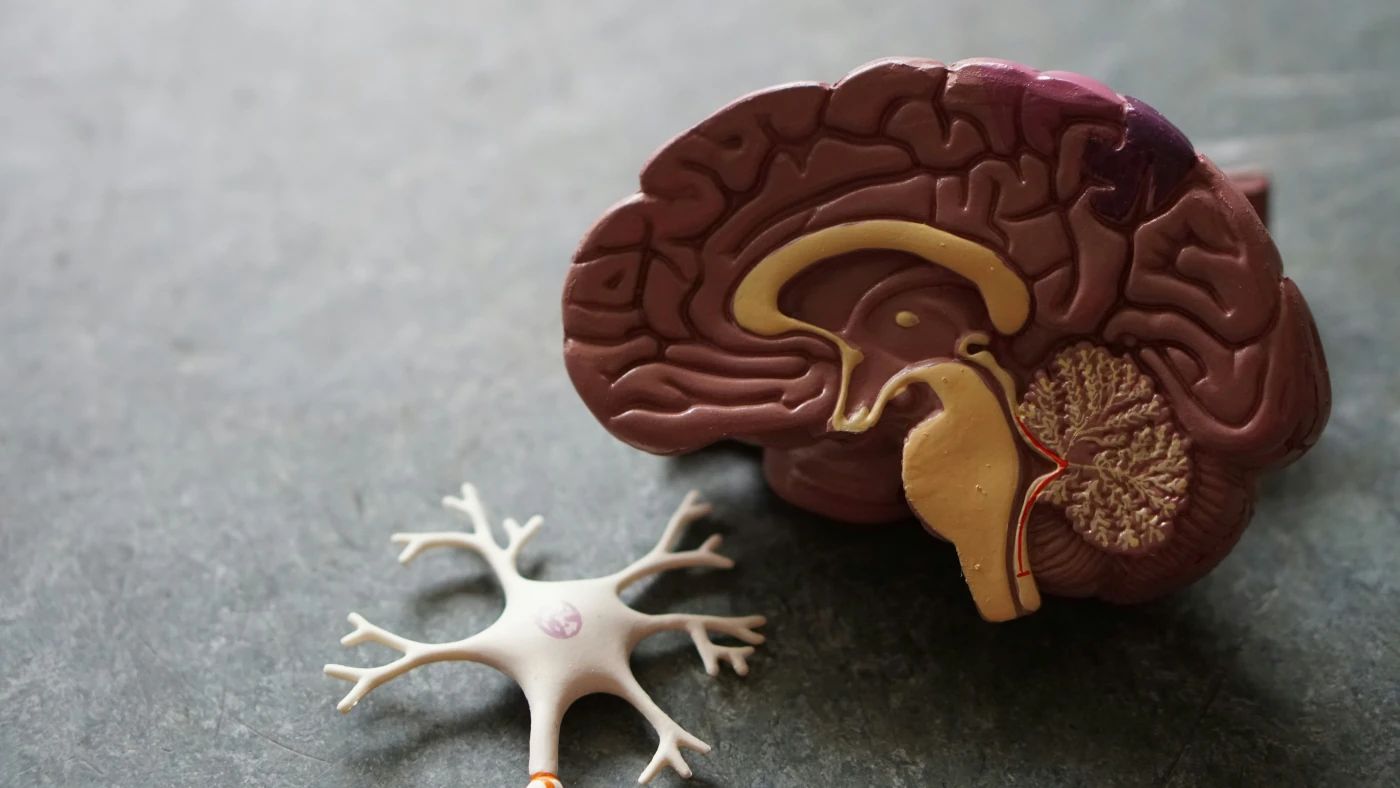
As an integrative psychotherapist specialising in trauma therapy, I work with survivors of rape, childhood sexual abuse, adverse childhood experiences, and other forms of trauma. One of the essential tools in my therapeutic arsenal is psychoeducation. But what exactly is psychoeducation, and how can it help you on your journey to healing through trauma therapy and psychotherapy?
What is Psychoeducation?
Psychoeducation involves sharing targeted, relevant information with clients to help them understand the nature of their trauma, how it affects their body and mind, and how various therapeutic interventions can aid in their recovery. It’s a collaborative process where we explore the intricacies of trauma and its impact, empowering you with knowledge that can foster self-awareness, resilience, and hope.
Why Use Psychoeducation in Trauma Therapy?
- Normalising the Experience: Trauma can often feel isolating and bewildering. By understanding the physiological and psychological responses to trauma, you can begin to see that your reactions are normal responses to abnormal events.
- De-pathologising: Many survivors carry a heavy burden of shame and self-blame. Psychoeducation helps to dismantle these erroneous beliefs by explaining how trauma affects the brain and body, reducing self-blame and fostering self-compassion.
- Empowerment: Knowledge is power. When you understand the mechanisms of trauma and the potential pathways to recovery, you can actively participate in your healing process. This sense of agency is crucial in overcoming the helplessness often associated with trauma.
- Resource Building: Learning about various somatic and cognitive resources can equip you with practical tools to manage and alleviate symptoms, enhancing your ability to cope with everyday challenges.
When and How is Psychoeducation Used in Psychotherapy?
Psychoeducation is woven into every phase of trauma therapy. Here’s how we might incorporate it:
- Initial Sessions:
- Building Trust: We begin by discussing how trauma affects the body and mind, emphasising the role of the body in trauma treatment and dissociation. This helps in building trust and preparing you for somatic interventions.
- Identifying Goals: We explore what you want to achieve through therapy, whether it’s reducing anxiety, improving sleep, or feeling more in control of your emotions.
- Throughout Psychotherapy:
- Ongoing Education: I will share relevant information at appropriate moments, such as how the brain/mind/body interact in trauma or the physiology of memory reactivation.
- Client Involvement: You are always in charge of your body interventions. We will discuss and choose techniques together, ensuring that you feel comfortable and in control.
- Specific Techniques:
- Mindfulness and Somatic Resources: Techniques such as grounding, breath work, and body alignment are introduced to help regulate your nervous system.
- Modelling and Metaphors: I might use stories, metaphors, or my own body to illustrate concepts, making the information more relatable and easier to understand.
- Addressing Core Beliefs:
- The Knot in the Thread: Imagine a piece of thread with a small knot in it. Every time you try to sew with that thread, the knot causes a snag. This knot represents a core traumatic memory or belief that interrupts the flow of your life. By identifying and addressing these knots, we can work towards smoothing out the thread and allowing your life to flow more freely.
What Topics Might We Cover in Trauma Therapy?
- The Role of the Body: Understanding how trauma affects bodily sensations and responses.
- Brain Functions: Exploring brain functions and their role in trauma and healing.
- The Autonomic Nervous System: Learning about the fight, flight, freeze, flop, and friend responses and how they impact your reactions.
- Window of Tolerance: Understanding your capacity to tolerate distress and how to expand it through regulation techniques.
- Attachment Patterns: Examining how early relationships shape your responses and behaviours.
A Holistic Approach to Healing in Psychotherapy
Psychoeducation is a powerful tool in trauma therapy and psychotherapy. By demystifying the effects of trauma and providing you with practical knowledge and resources, it helps to instil hope, build resilience, and guide you on your path to healing. Remember, you are not alone in this journey, and together, we can work towards achieving your therapeutic goals and reclaiming your life.
If you’re ready to take the first step towards healing, or if you have any questions about how psychoeducation can benefit you, please get in touch. Let’s work together to create a brighter, more empowered future.